BRIGADE 2506 NAVY
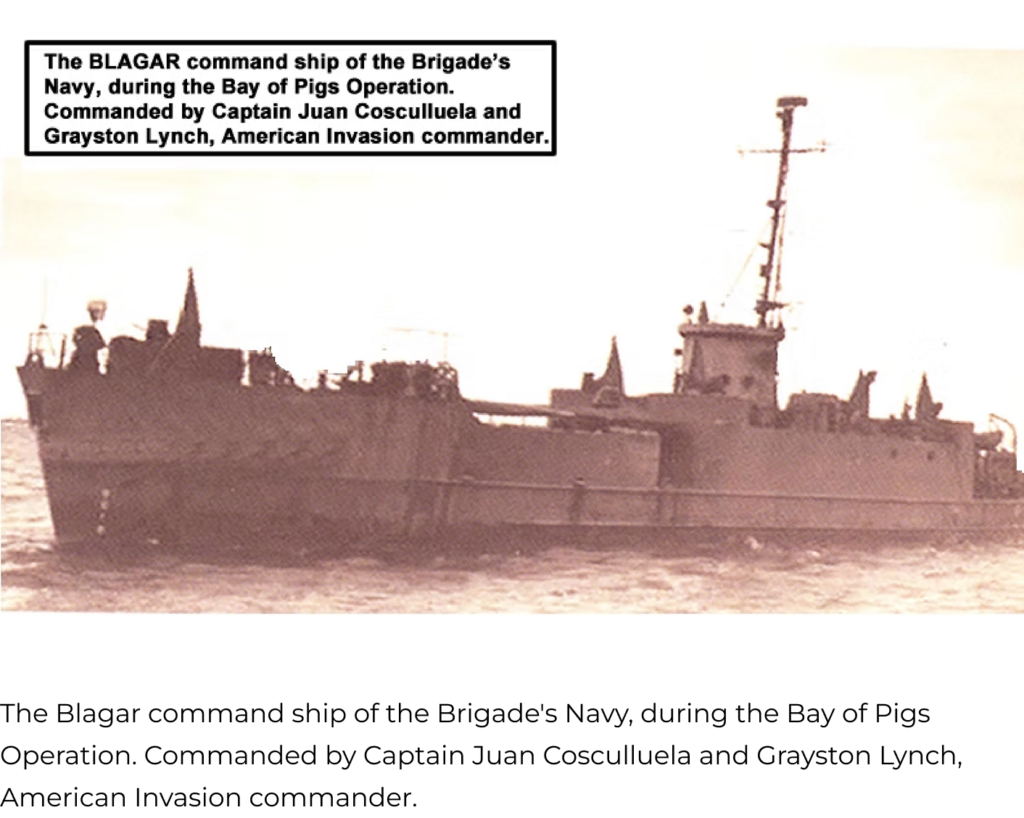
LCI BLAGAR. COMMAND SHIP OF THE BRIGADE NAVY
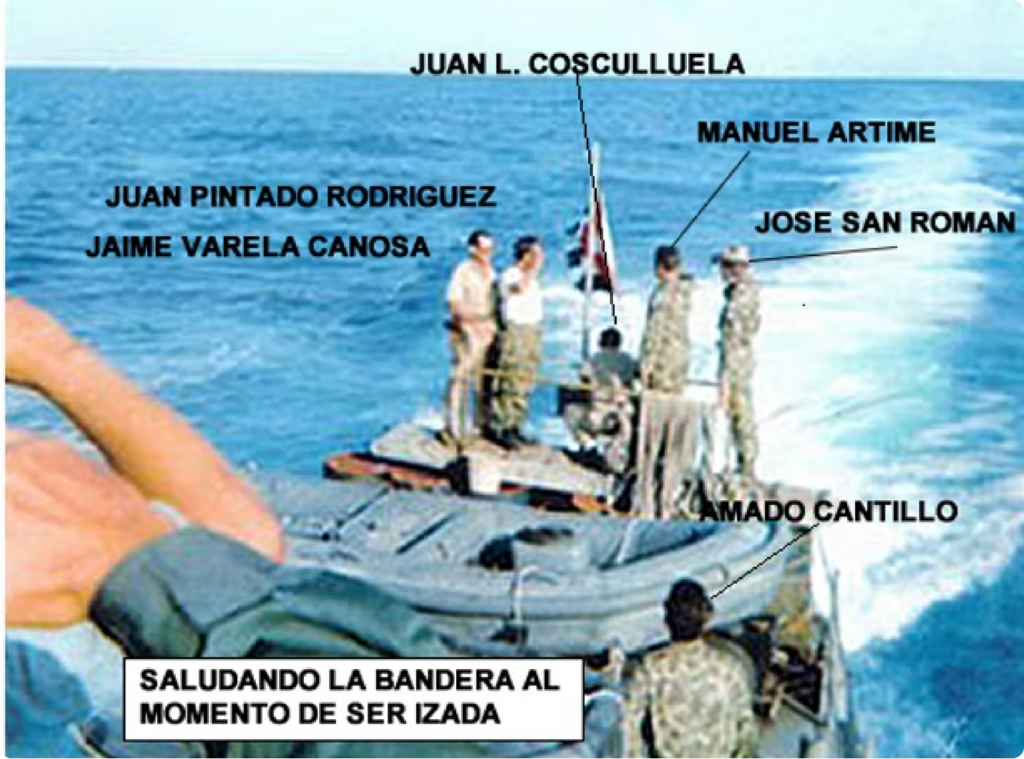
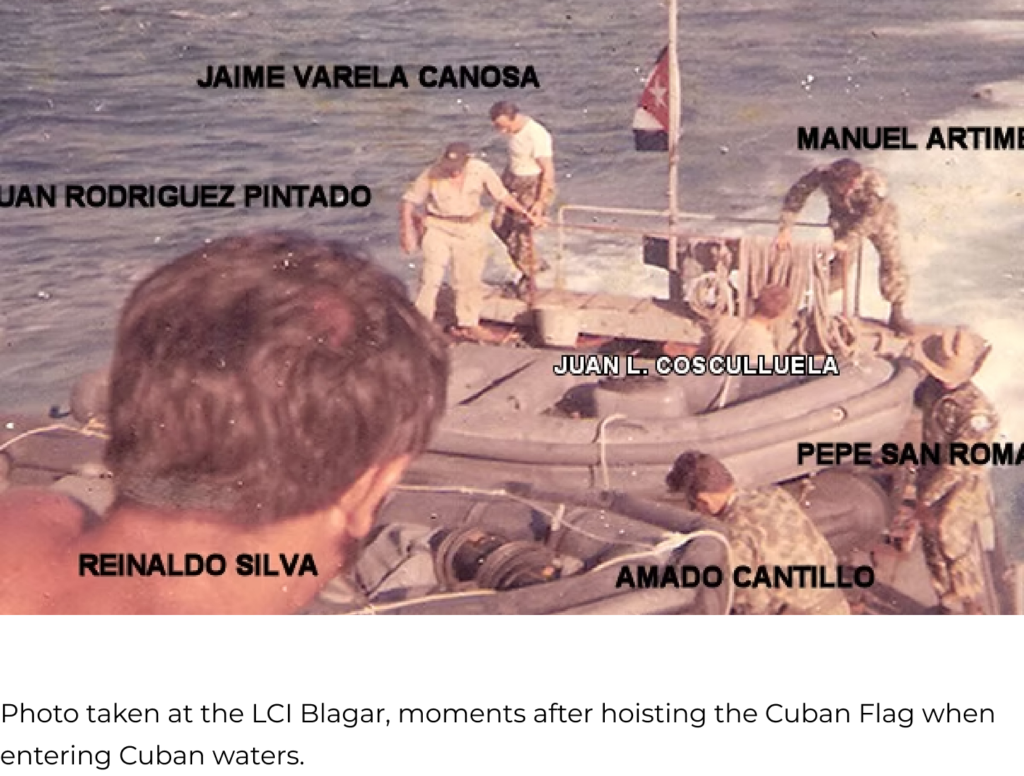
When LCI BLAGAR's Senior Cuban Officer,
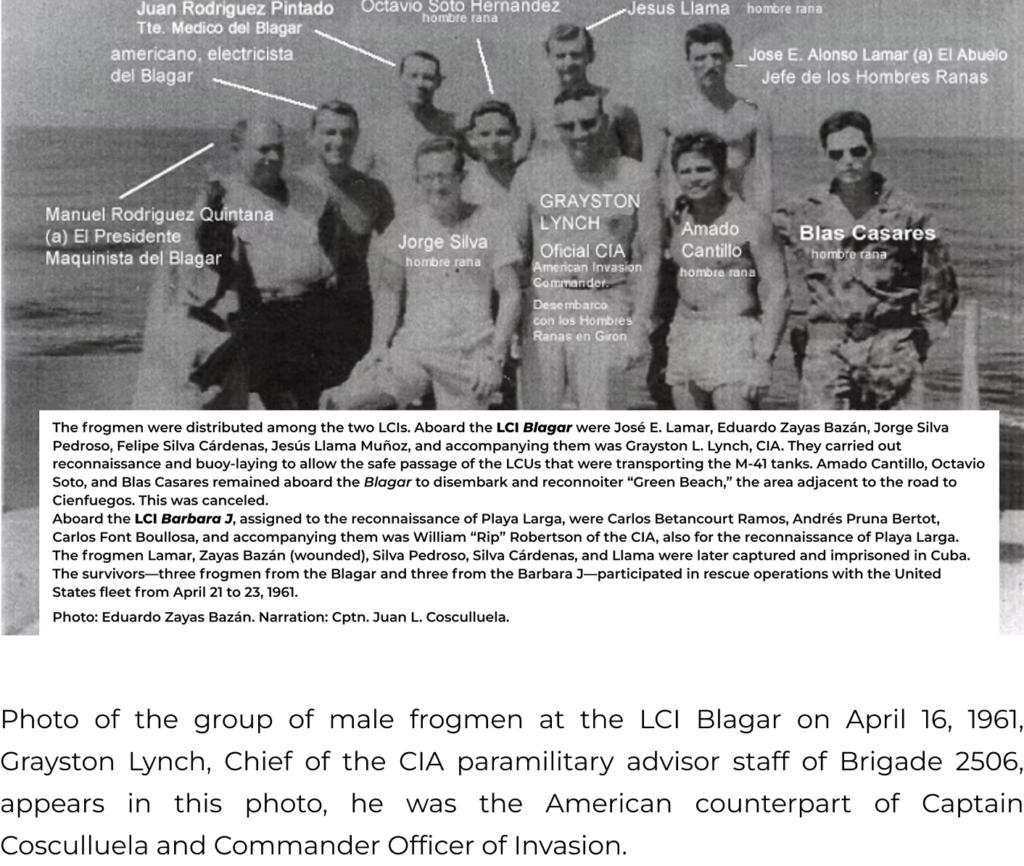
Captain Juan L. Cosculluela notifies Manuel Artime that they are entering Cuban territorial waters (12 miles), Manuel Artime suggests to make a change of flags on the boat. The LCI BLAGAR was sailing under the Nicaraguan flag. The photo shows that historical moment: the change of flags in the stern of the boat. Present at this historic event are Captain Juan L. Cosculluela, Brigade Commander Jose Perez San Roman, Dr. Manuel Artime Bueza, Civil Brigade Chief, Corvette Captain Jaime Varela Canosa, Chief of Navy and The Medical Lieutenant Dr. Juan Rodriguez Pintado, doctor of the LCI Blagar. It is on April 16, 1961, at 5:00 PM (5:00 PM)
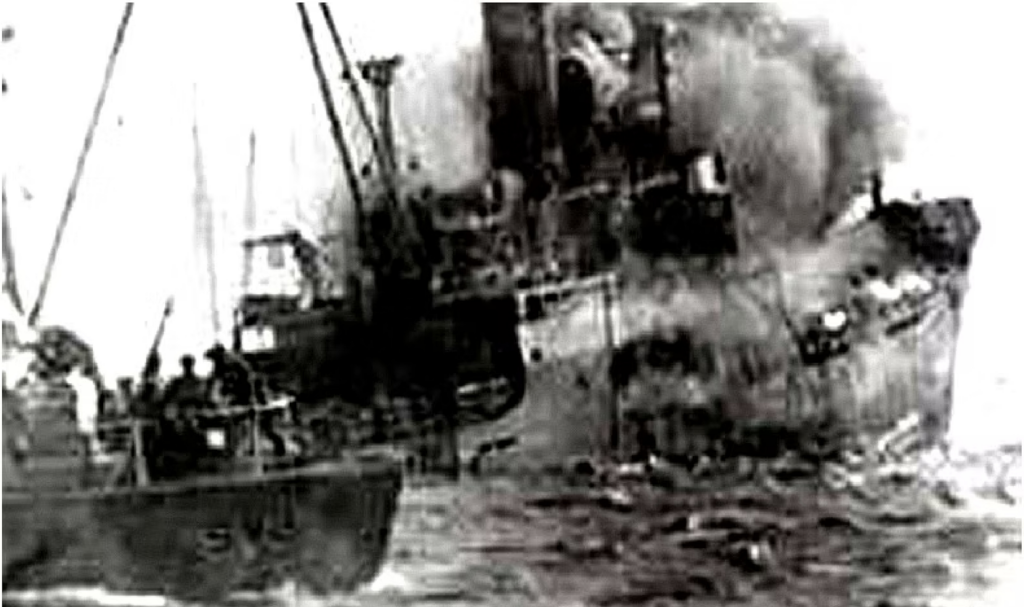
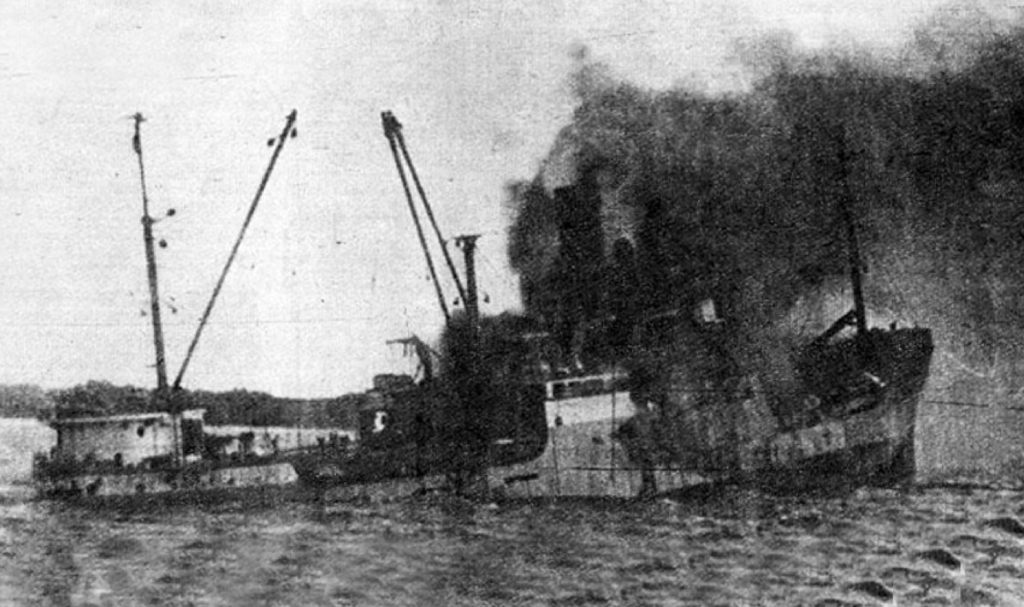
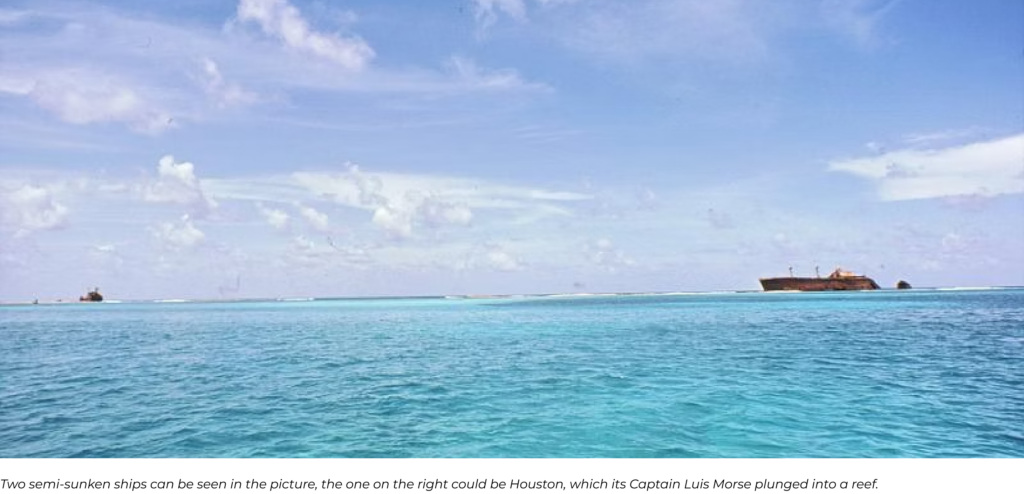
Ship SS Houston under the command of Captain Luis Morse Delgado, when he was bombed, he was able to take the ship near the shore and run it, which prevented the drowning of the members of Battalion 5 and later rescue part of his cargo.
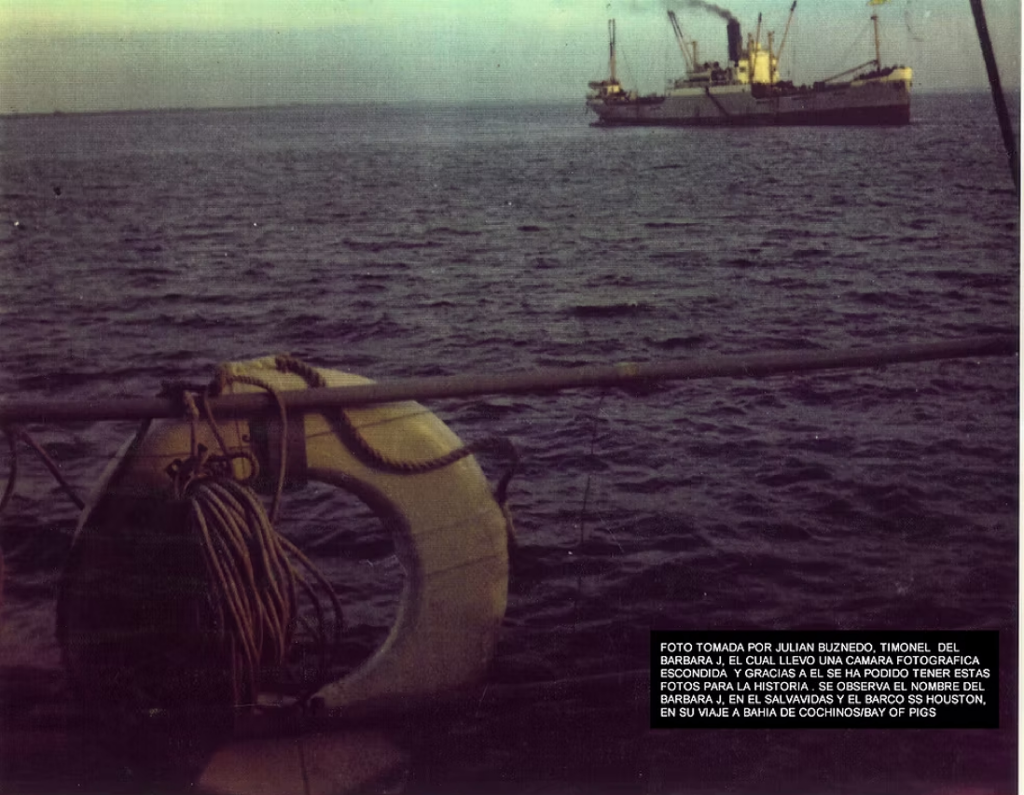
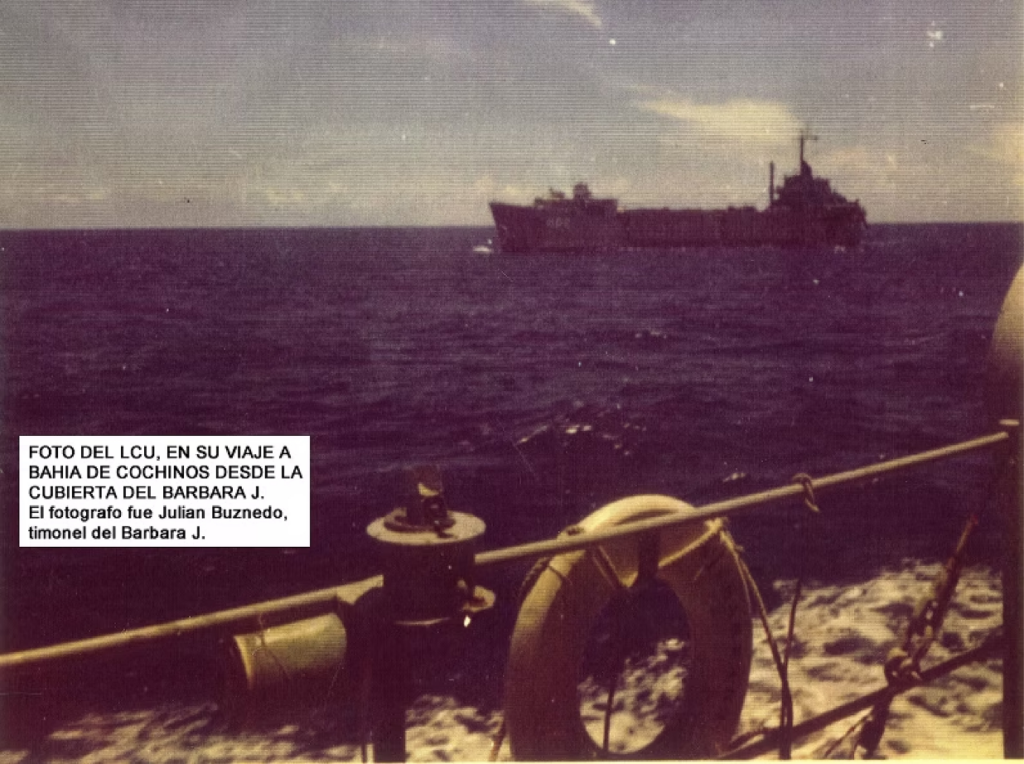
Photo taken by Julian Buznedo, helmsman of Barbara J. In the photo we can see the lifeguard hanging on the railing where it hangs and we identify the letters RA-J. To the front we see the ship SS Houston, model cargo ship Liberty, which were used negligently to transport to the members of the Brigade.
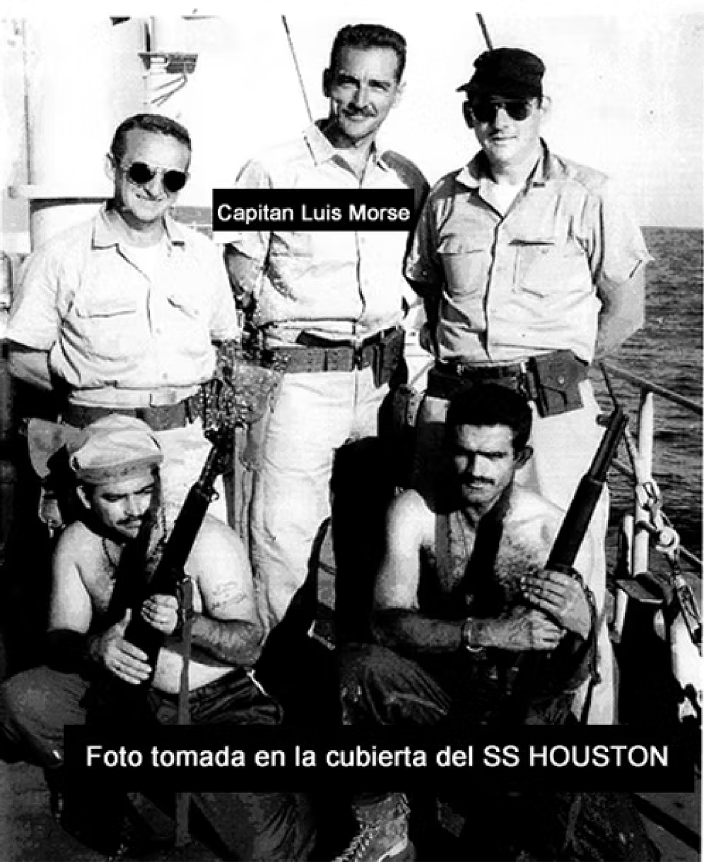
Captain Luis Morse
Photo taken on the deck of the SS Houston
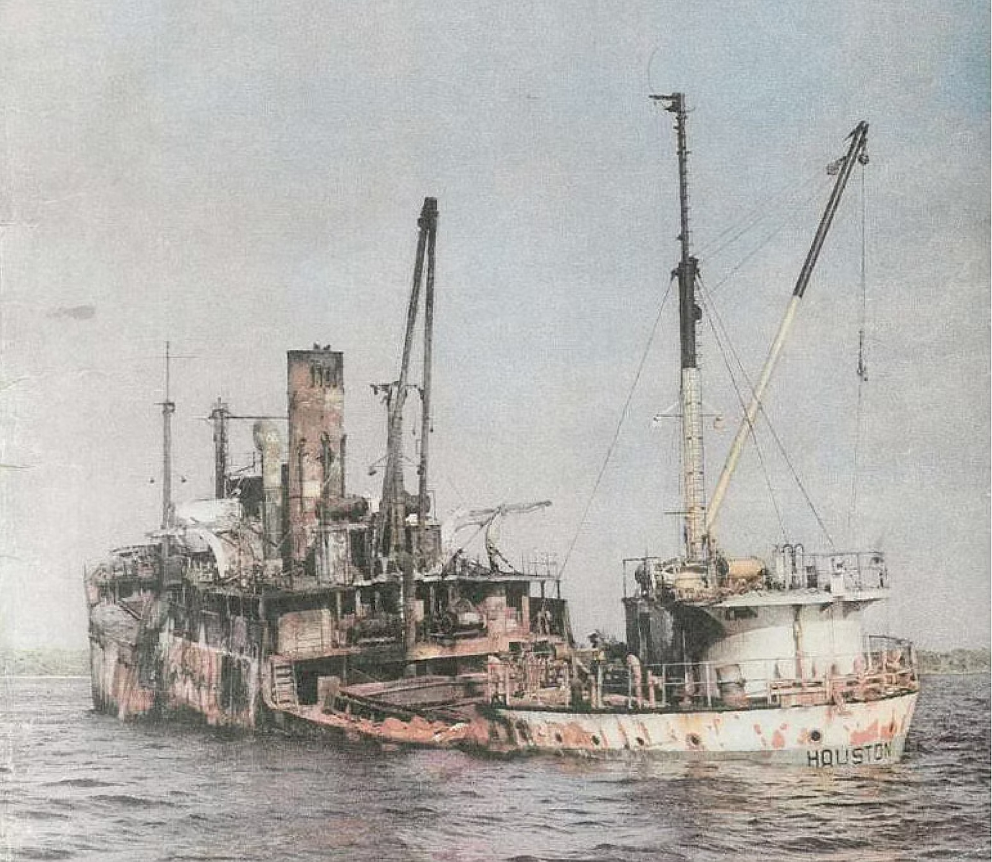
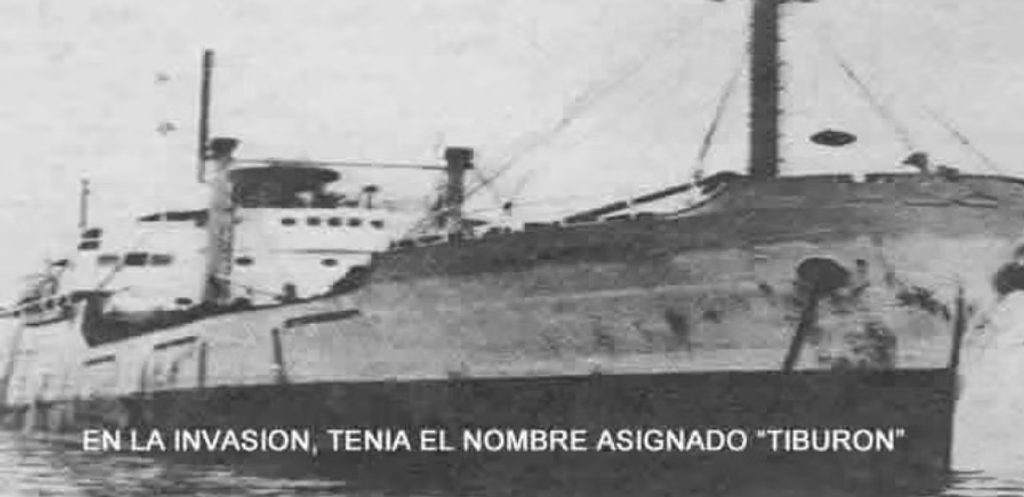
During the Invasion it was codename Tiburon (Shark).
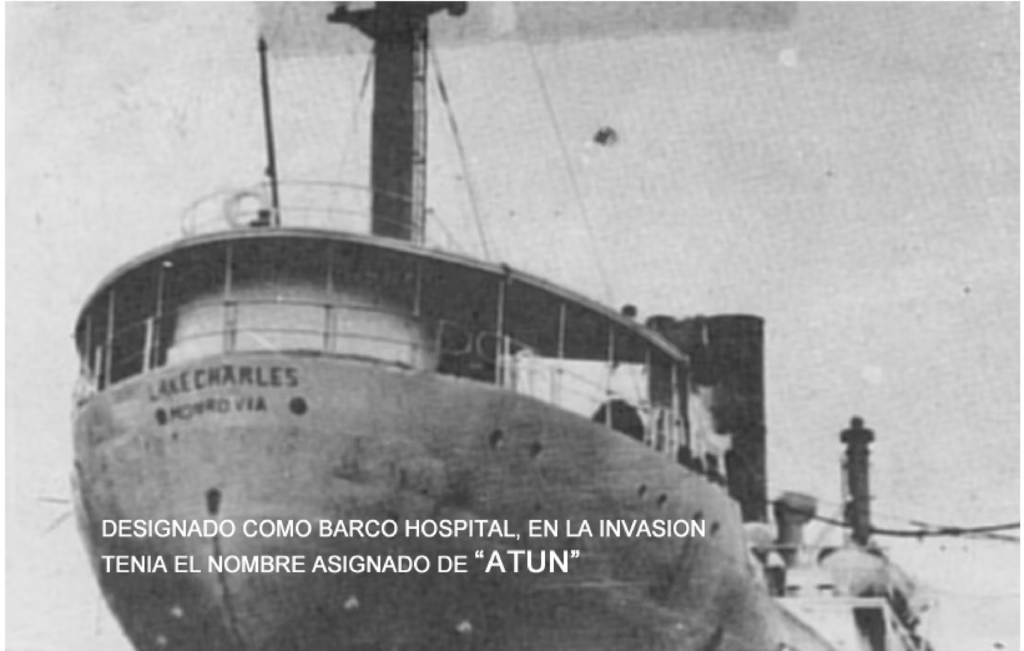
Designated as a hospital ship during the Invasion. Had the assigned name “ATUN’ (TUNA).
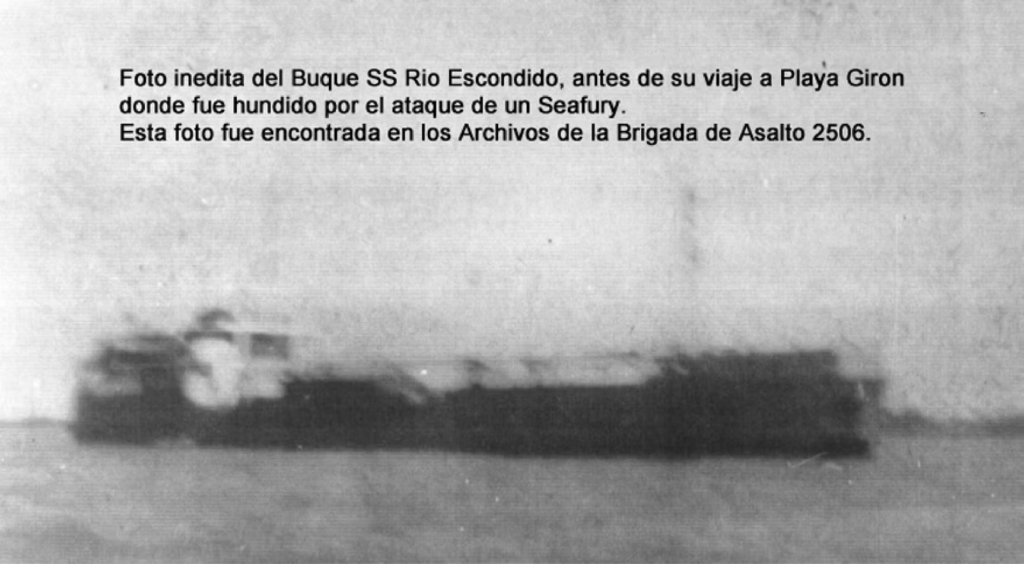
Unpublished photo of the ship SS Río Escondido, taken before its voyage to Playa Girón, where it was sunk by an attack from a Sea Fury. This photo was found in the Archives of Assault Brigade 2506.
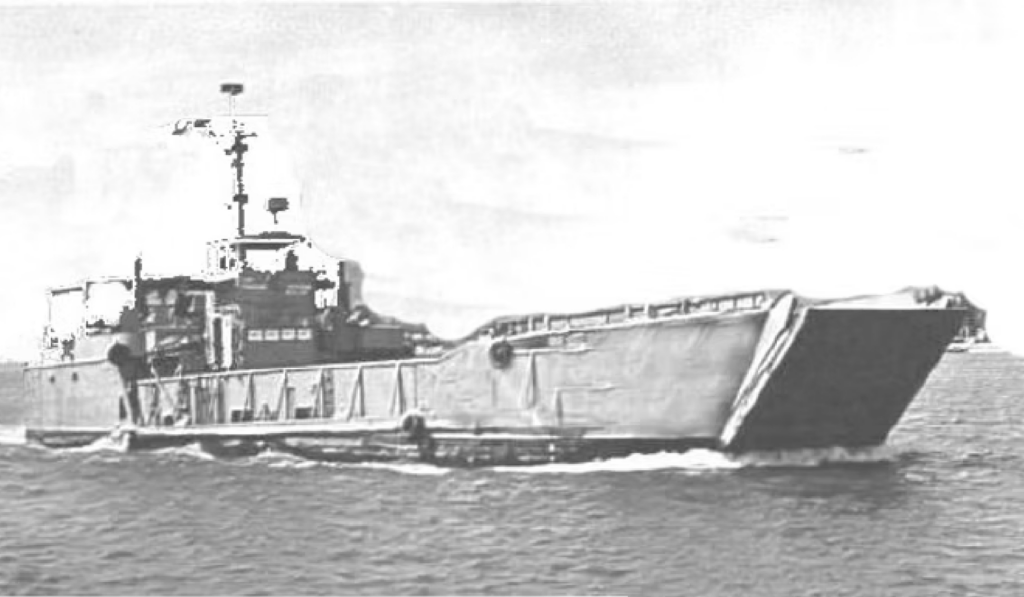
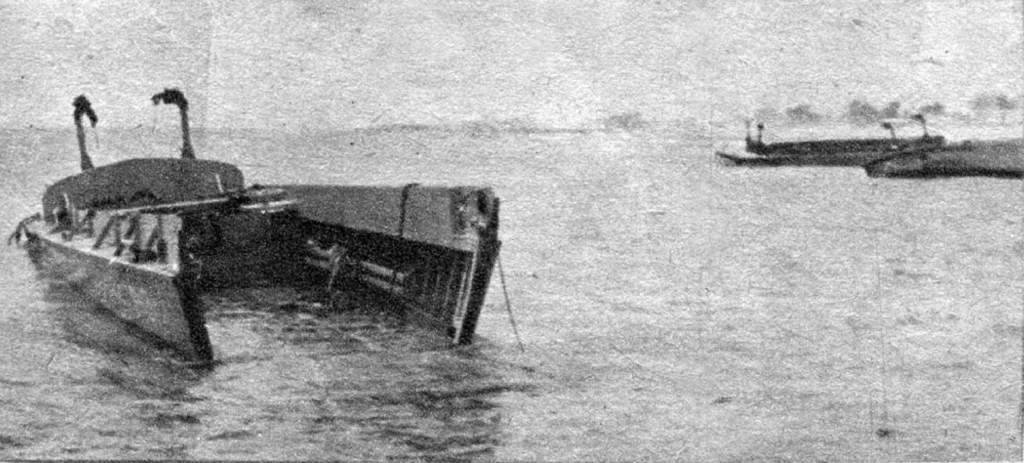
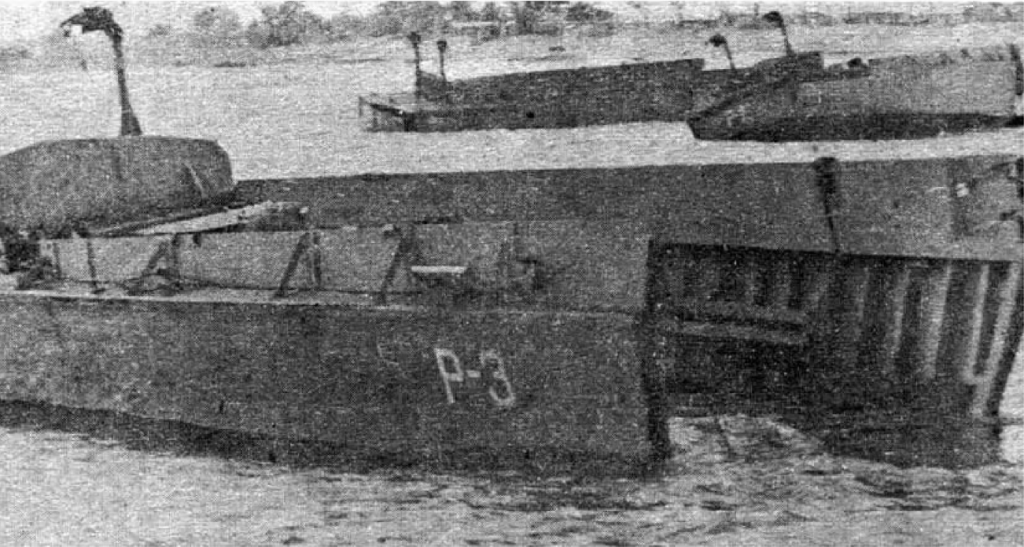
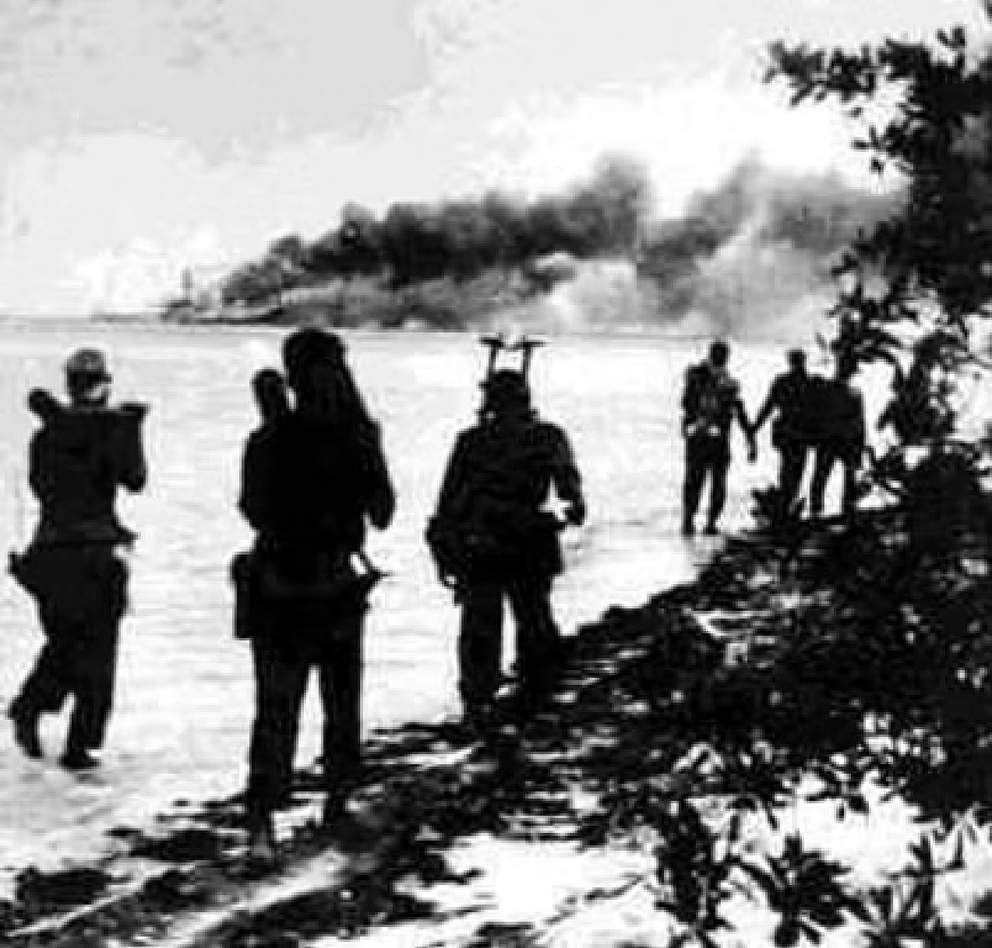
The SS Río Escondido was attacked shortly after the SS Houston. It was struck by a Sea Fury aircraft piloted by Captain Enrique Carreras. The ship received a direct hit while carrying a significant and highly combustible cargo.
Its fuel cargo consisted of 145 drums of automotive gasoline, 55 drums of aviation fuel, 23 drums of oil and fats, 15 drums of diesel, and 6 drums of gasoline for outboard engines, totaling 33,586 gallons of fuel.
In addition, the ship carried 54,778 pounds of low-caliber ammunition, 223,855 pounds of high-explosive ammunition, 6,473 pounds of pyrotechnic ammunition, and 31,253 pounds of white phosphorus ammunition.
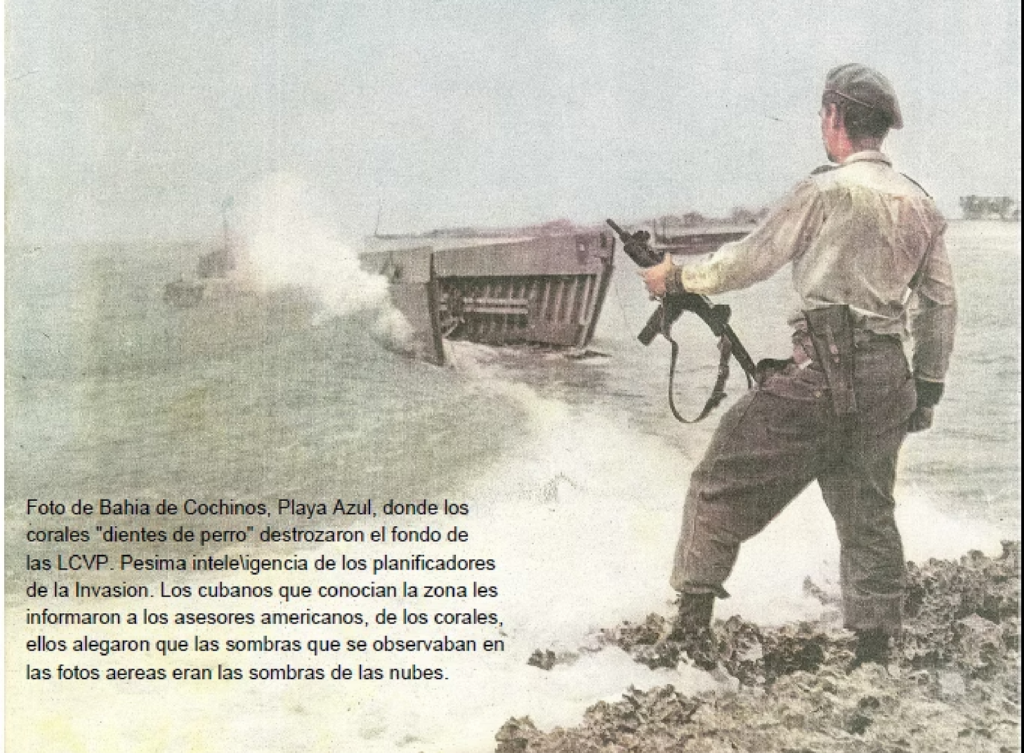
Photo of the Bay of Pigs, Playa Azul, where sharp coral reefs destroyed the wooden hulls of the LCVPs. Poor intelligence by the invasion planners. Cubans familiar with the area warned American advisors about the coral reefs, but they claimed that the shadows seen in the aerial photographs were cloud shadows.
LCVP landing craft, with its wooden bottom destroyed by coral at Playa Azul, due to the ineptitude of CIA intelligence personnel, who ignored the guidance of Brigade members familiar with the area. These men had warned that the shadows seen in pre-invasion reconnaissance photographs were not clouds, as was claimed. This was another factor that delayed the landing of personnel and support material, and it also contributed to the sinking of the Río Escondido.
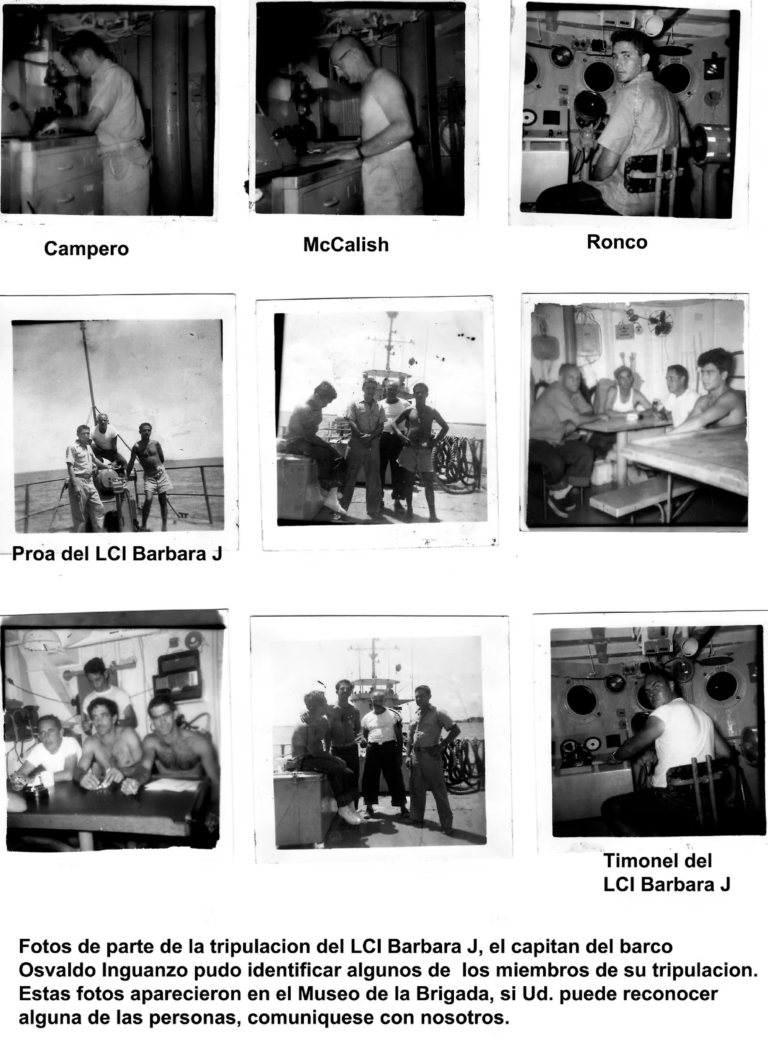
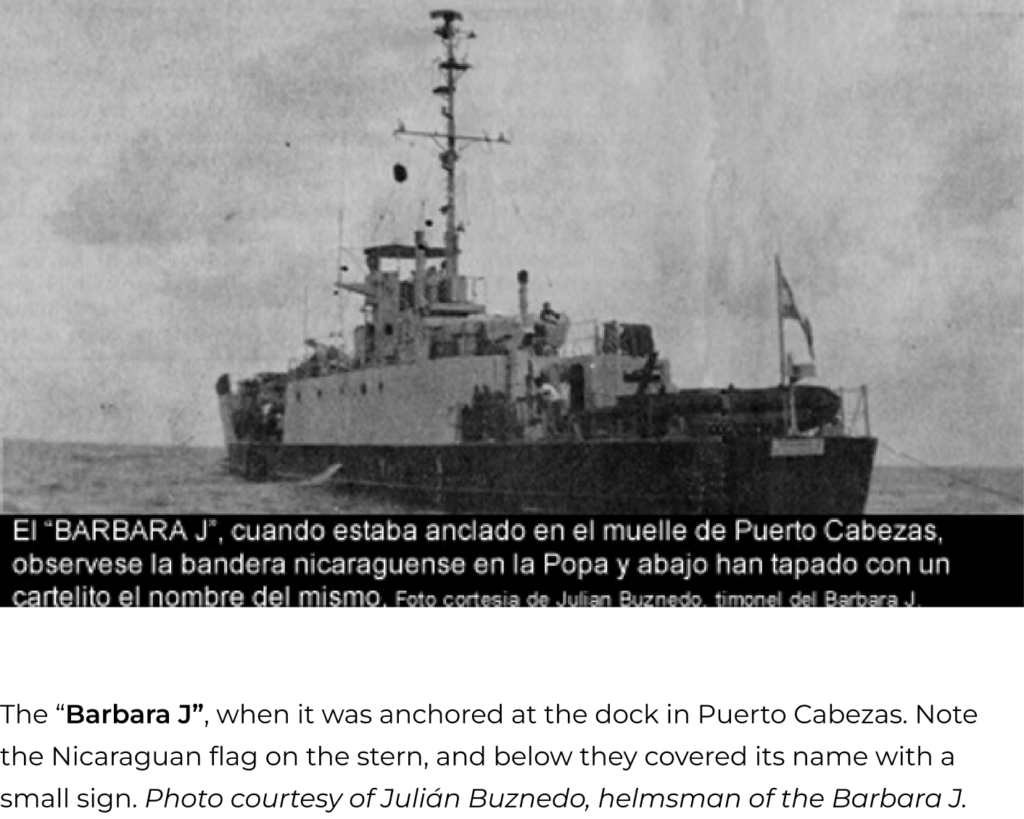
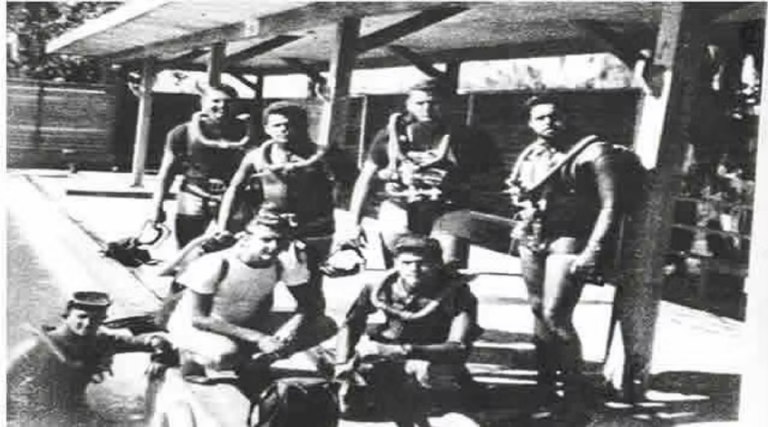
Photos of part of the crew of the LCI Barbara J. The ship’s captain, Osvaldo Inguanzo, was able to identify some members of his crew. These photos appeared at the Brigade Museum. If you are able to recognize any of the individuals, please contact us.
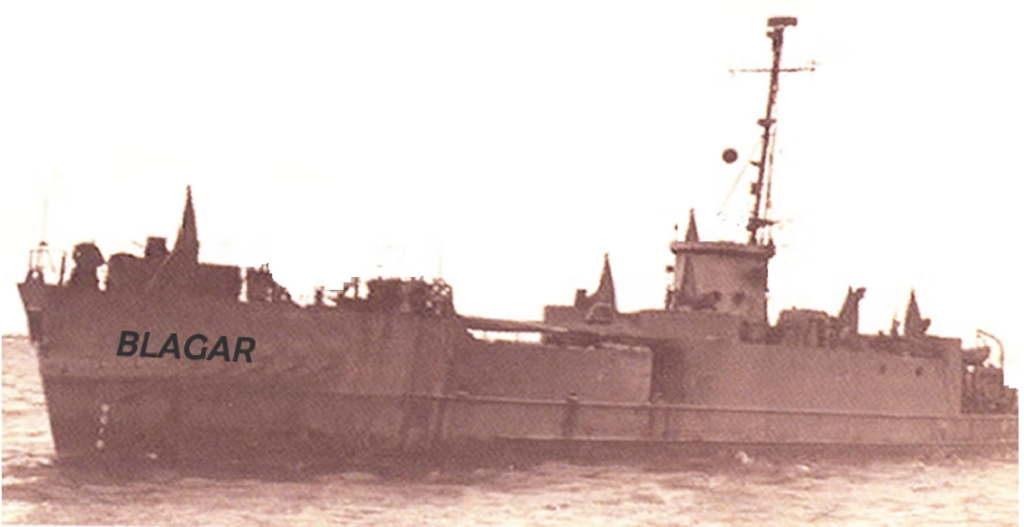
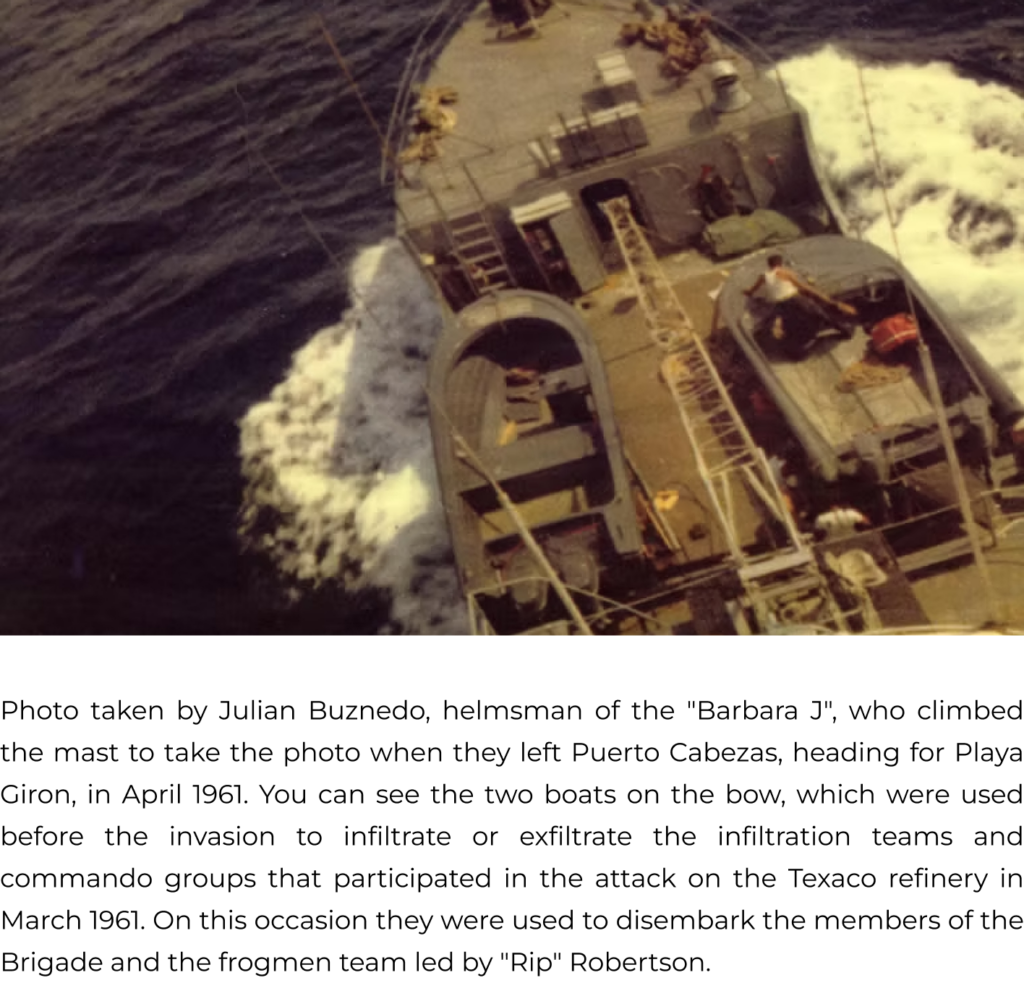
LCI BLAGAR and LCI BARBARA J, these two ships served as mother ships, transporting members of the infiltration teams, supplies for clandestine and command teams, before and after the Invasion. After the invasion they continued to operate.
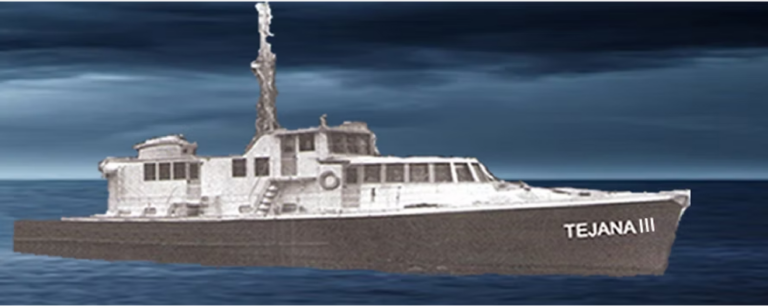
HISTORICAL NOTE: Manuel “Monty” Guillot later infiltrated Cuba following these two voyages. A member of the
MRR, he was captured and executed. Gabriel Arcángel Amador, on October 21, 1963, during a
voyage to Cuba as boatswain aboard the PC Rex and while in command of a launch, engaged
in combat at Cabo Corriente, Pinar del Río, and died from wounds sustained.
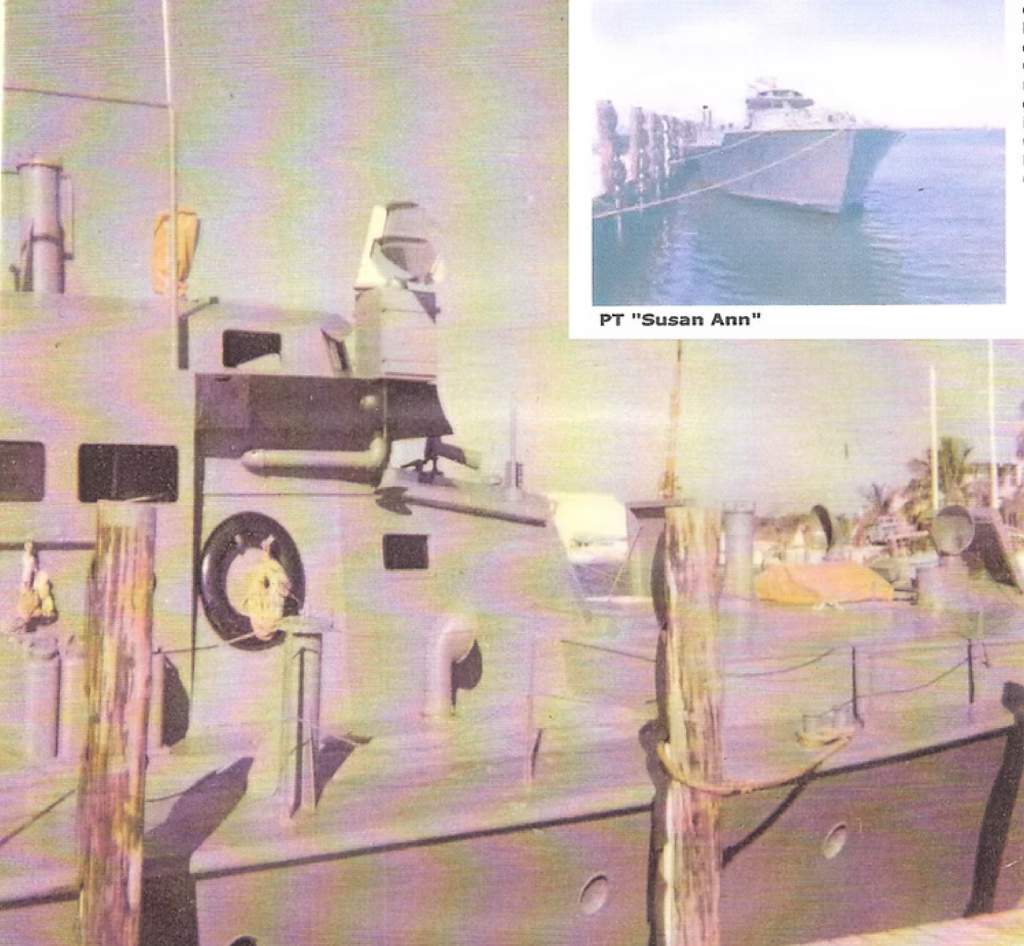
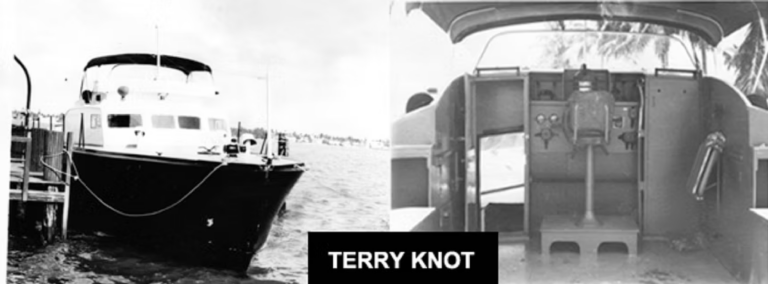
HISTORICAL NOTE: PT TERRY KNOT name in its beginnings, later it was named ASR BARBERO, it was operated by the Office of the Naval Commission chaired by Jaime Varela Canosa and Renato Diaz Blanco, these officers participated in the Bay of Pigs Invasion. Jaime Varela as liaison of the Navy and the Brigade. Renato Diaz Blanco was assigned to the ship Santa Ana in Operation Mars. Note: Clicking the mouse on the photo will open an original document of two trips made to Cuba the first was on September 23, 1960. The second has no date. In that document are the names of the crew of those trips.
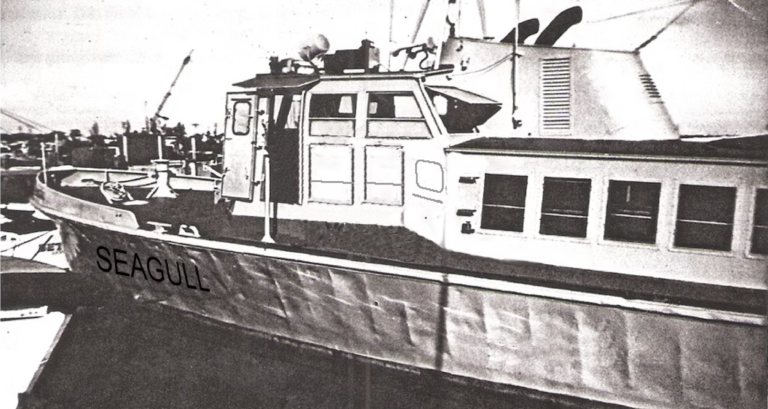
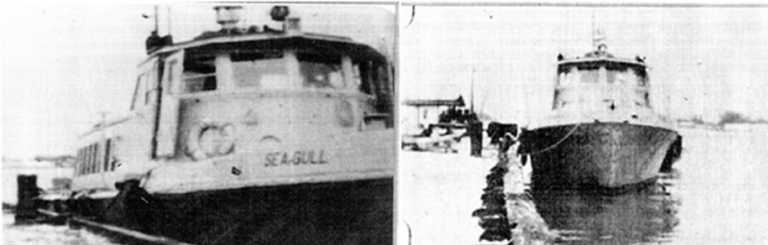
SEA GULL, used in clandestine operations. One of the most successful was during the Invasion to Bahia de Cochinos, was used along with the Yacht Crist Craft “WASP” the latter manned by Americans, the only Cuban was the Radio-Operator Manolo Garcia Rubio assigned to this boat. The mission known as Mirage was to plant buoys and send ghost radar signals, which created false images on enemy radars, making them believe that an invading fleet was coming. The objective was to mobilize the enemy to the north coast of Cuba and distract them combat forces and resources from the combat zone in Bahia de Cochinos. There was another Prowler model boat with the name “WASP”, this boat used different names during its life: “ATARELO” and “BAREFOOT”. The owner of it was Cecil Goudie. When it was withdrawn from the operations to be used as a school and transport of materials and personnel to the operating vessels, it was renamed “CRUSADER”. Its commander was Rodolfo Sibles Giraud, and the machinist was Jose “Pepe” Escarse Cancio.
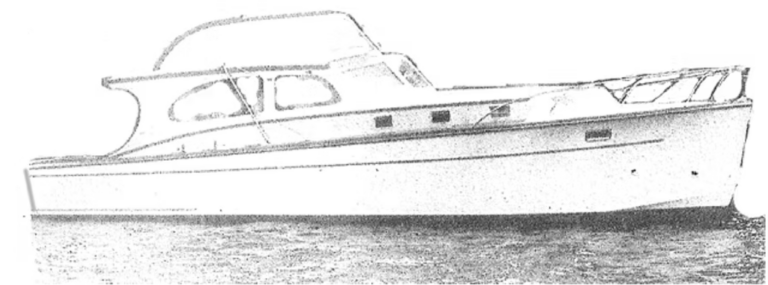
(ROLES NOT SPECIFIED IN SOURCE)
NOTE: We wished to include the names of all those who participated in missions aboard this vessel, including the captains. The captains were not always the same individuals; they rotated.
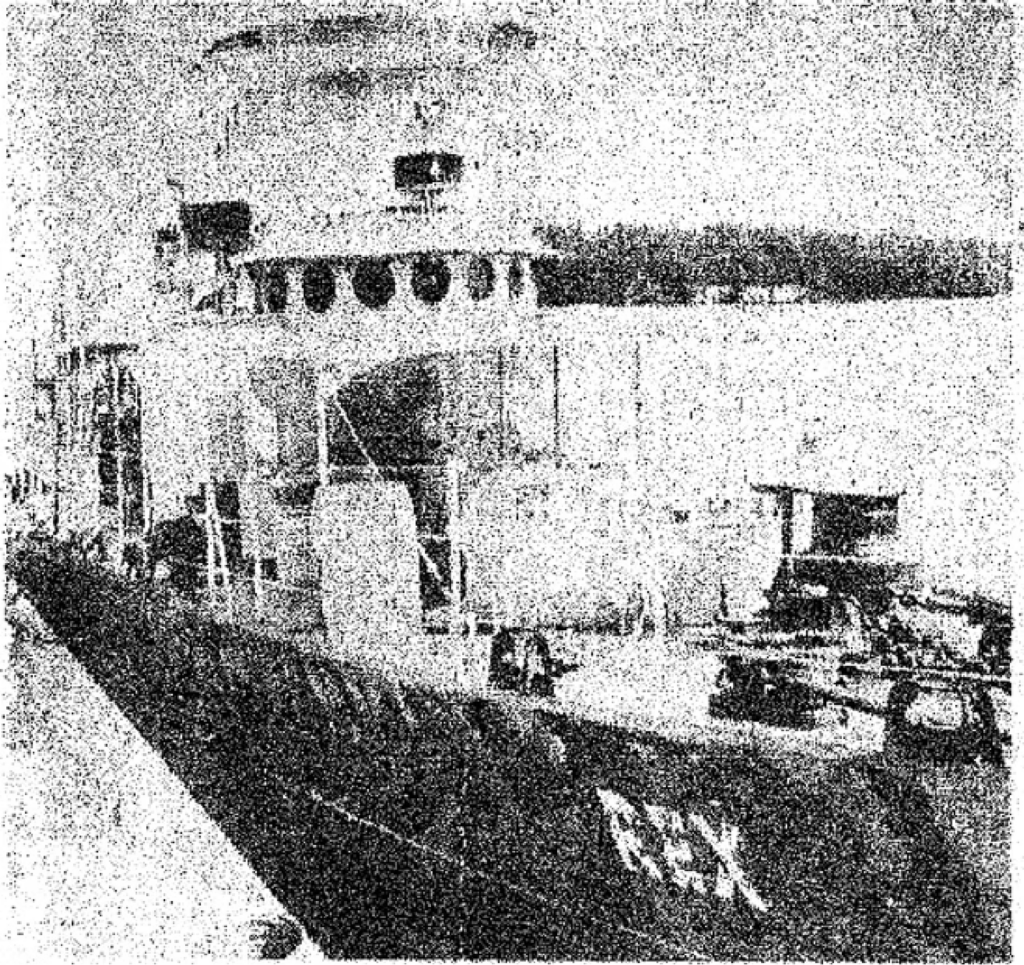
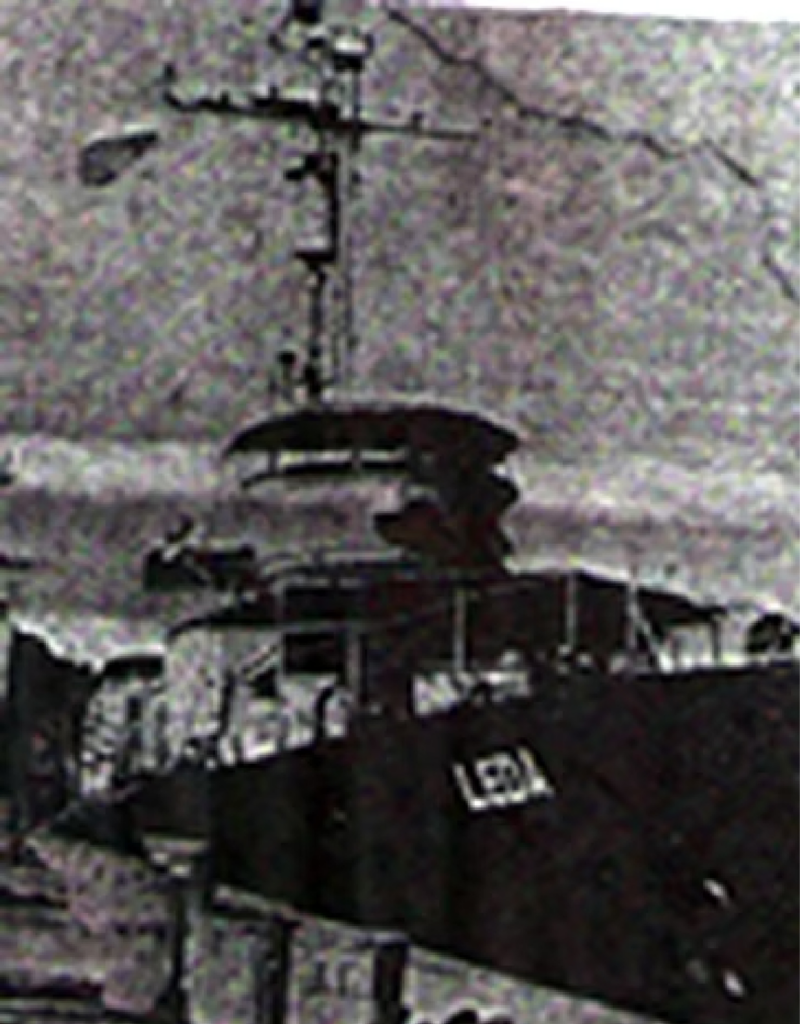
PC REX and PC LEDA, after these two PCs were renamed, PC REX was named EXPLORER II and PCA LEDA after modifying the superstructure was named ROINA. The crews of the ships were rotated, according to availability or the boat.
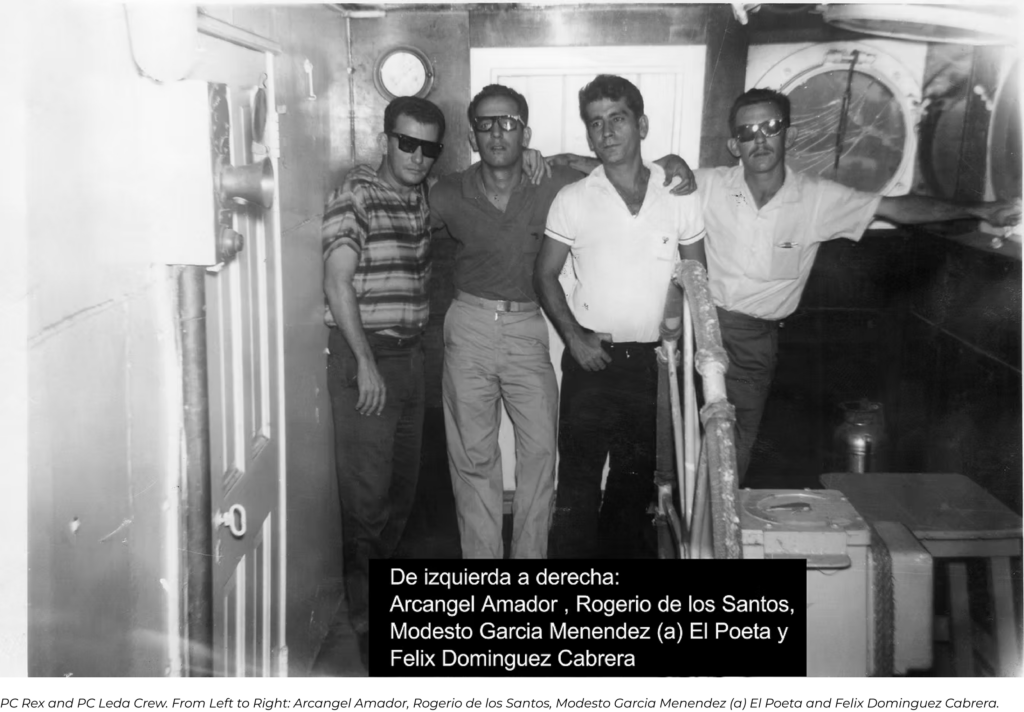
Gabriel Arcangel Amador died from enemy fire received, and Agustin Pineda was wounded in the exchange of fire in this combat. This was on October 21, 1963. This event is known as the ambush at Cabo Corrientes.
Note: Jose Antonio Rodriguez Sosa, in 1966 took command of this ship until its removal from service in November 1967

The Bay of Pigs Museum and Library is a non-profit organization and operates with the support of the Miami-Dade County Department of Cultural Affairs and the Cultural Affairs Council, the Miami-Dade County Mayor and Board of County Commissioners. It is also sponsored in part by the State of Florida, Department of State, Division of Arts and Culture, the Florida Council on Arts and Culture, and the National Endowment for the Arts.